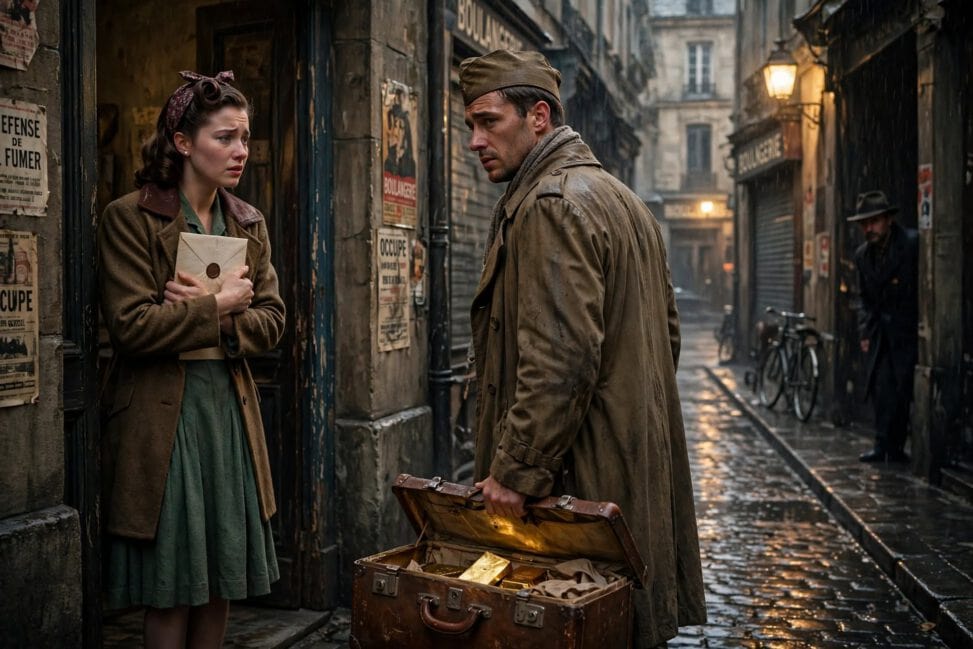
A promise made in peacetime can become dangerous when war arrives. That tension gives wartime betrayal and romance books their lasting force. Love offers no escape from history when war can divide families, destroy trust and turn private choices into secrets that survive for decades.
The strongest novels about the Second World War offer more than uniforms, air raids and coded messages. They ask what happens when a man leaves for war, loyalty to a country clashes with loyalty to a lover, or a child grows up beneath the weight of a truth nobody will name.
The war may end on paper. Its private consequences rarely do.
Why wartime betrayal and romance books strike so deeply
War forces people to make decisions quickly and with incomplete information. They marry, hide feelings, change names, accept dangerous work or betray someone they love to protect somebody else.
In ordinary life, a moral choice may unfold over years. During occupation or bombardment, a single frightened evening can determine everything.
That pressure gives romance greater weight. Love becomes dangerous when it can expose a family, end a career or lead to imprisonment. A kiss can provide evidence. Letters can reveal secrets. Silence may look like cruelty even when sacrifice caused it.
Betrayal is equally complicated. The most memorable stories resist dividing characters neatly into saints and villains. A father may disappear through cowardice, trauma or an attempt to protect someone. A lover may lie from selfishness, fear or desperation.
This ambiguity reflects one of war’s harshest truths: good people can make terrible choices for painfully human reasons.
The real story often begins after the fighting
Some of the most powerful novels follow the damage beyond 1945.
Returning soldiers brought home injuries, memories and silences. Those who stayed behind had often built new lives out of necessity. The past could suddenly return through a knock at the door, an old photograph or a forgotten name in a newspaper.
For sons and daughters, unanswered questions may become an inheritance. Why did Father leave? Why would Mother never speak about a certain year? Who is the person in the photograph hidden in the drawer?
These questions create both emotional and historical suspense. The search for truth becomes a search for identity.
Wartime fiction becomes particularly powerful here because conflict destroys more than buildings and bodies. It reshapes families. Emotional wounds can travel quietly from one generation to another through anger, distance, shame or a lifelong need to understand what happened.
One act of abandonment can echo through a marriage, a childhood and a later attempt at forgiveness.
Romance under pressure
Wartime romance may evoke music, uniforms and railway-platform farewells, but the richer stories show a less glamorous reality.
Food runs short. News arrives late. A posting can separate two people without warning. Nobody knows whether a goodbye will last days, years or forever.
Forbidden love raises the stakes further. A relationship may cross boundaries of nationality, class, religion, marriage or political allegiance.
But prohibition alone does not make a compelling story. The deeper question is what two people will risk for love — and who else may pay for their decision.
Strong wartime fiction balances emotion with historical reality. Romance needs genuine danger around it, while historical detail must serve the characters rather than overwhelm them.
Betrayal needs consequences
Betrayal can propel a thriller-like plot, especially when it involves stolen money, resistance work, a false identity or military secrets.
But surprise alone is not enough.
A revelation should change how readers understand the people involved. Perhaps a trusted friend hid an unexpected motive. Maybe a father disappeared to protect somebody else. A woman accused of disloyalty might have faced an impossible choice between love and survival.
Understanding the reason should not erase the damage.
A son may finally discover why his father vanished and still mourn the childhood he lost. Someone may forgive a lover’s lie yet remain unable to rebuild the relationship. Betrayal matters because truth does not automatically repair what secrecy destroyed.
What makes these stories convincing
The strongest wartime betrayal and romance books make history personal without reducing it to scenery.
A convincing story anchors itself in a specific place and time: occupied Europe, a British port, a military camp or the uneasy years after 1945. Small details bring that world alive — a ration book, a crowded station, a boxing club or a censored letter.
Complex characters matter just as much. A flawed father often feels more convincing than an entirely noble one. Lovers become more interesting when both bring fear, desire and divided loyalties into the relationship.
Family secrets gain power when discovering the truth forces someone to choose what to do with it.
Suspense can add momentum too. A hidden cache, robbery, missing document or unexplained disappearance gives readers something to pursue. Yet the answer matters most when it changes the lives of the people who have spent years waiting for it.
John B. Gieles’s The Fourth Gold Bar inhabits this territory. A father, a son and choices made during wartime continue to shape lives long afterwards. The novel combines history, boxing, forbidden love, betrayal and a gold robbery with a deeper question: what happens when a child must live with the consequences of a father’s choices?
Why wartime betrayal and romance books still matter
The generation that experienced the Second World War is disappearing, but its private stories remain.
Official histories record battles, dates and political decisions. Fiction can enter the kitchen after terrible news arrives, the silence between husband and wife, or the mind of a child watching adults hide their pain.
Love does not make war beautiful. It shows us what war threatens to destroy.
Betrayal does more than create suspense. It exposes the cost of fear, loyalty and survival when every choice carries consequences.
The finest wartime betrayal and romance books therefore leave us with more than a solved mystery or reunion. They leave a question that lingers: how much of another generation’s silence do families continue to carry?